Education Loan or Saving for Your Child’s Education: Which Financial Choice Makes More Sense?
May 29, 2026

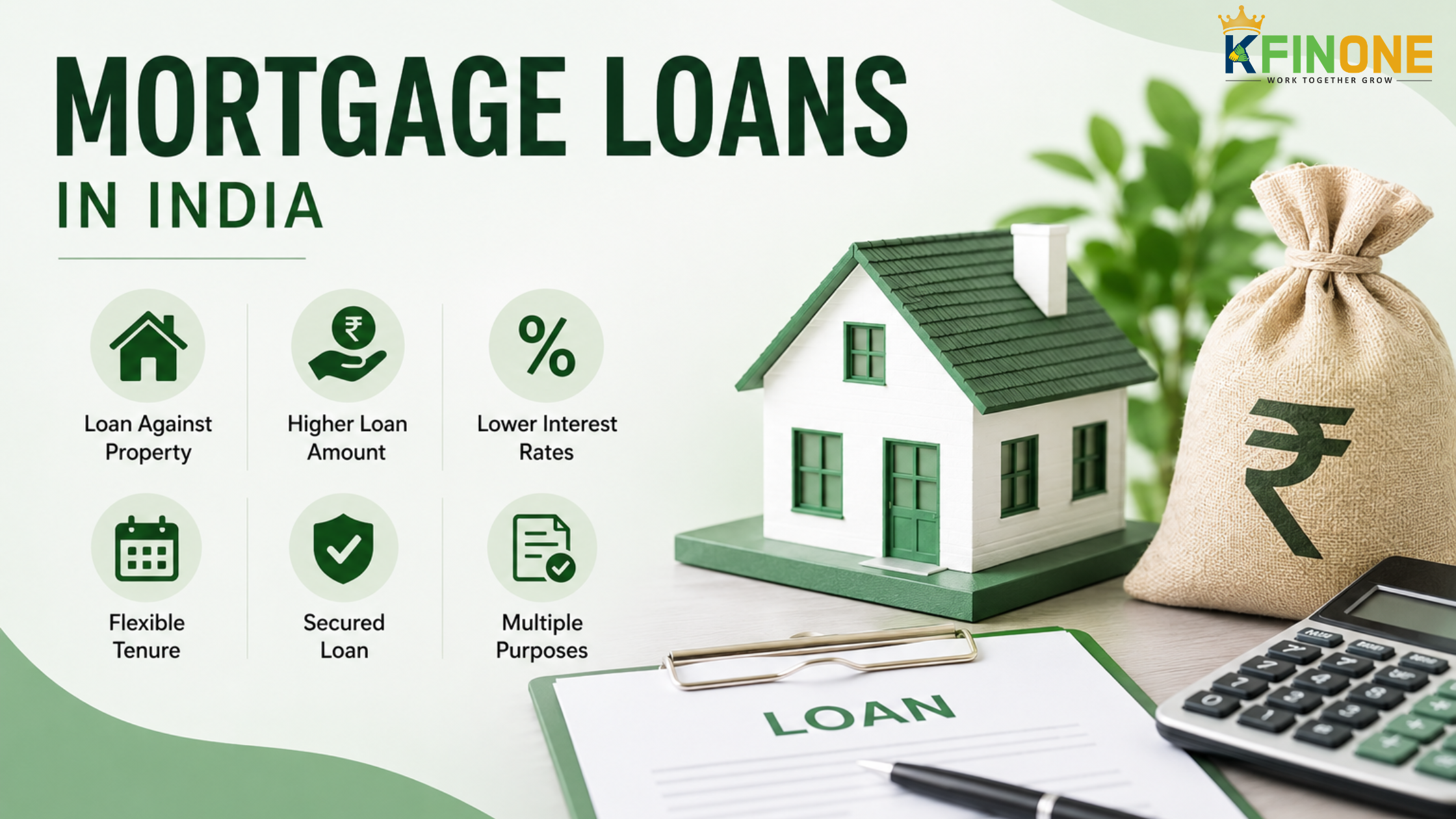
A mortgage loan is one of the most reliable financial solutions for individuals who need funds for personal or business purposes while using property as security. In India, mortgage loans are widely preferred because they offer higher loan amounts, lower interest rates compared to unsecured loans, and flexible repayment options. Whether you are planning to expand your business, manage medical expenses, fund higher education, or handle emergencies, understanding different mortgage loan types can help you make informed financial decisions.
A mortgage loan, also known as a loan against property, is a secured loan where borrowers pledge their residential, commercial, or industrial property as collateral. The lender provides funds based on the market value of the property, while the borrower continues to retain ownership unless repayment obligations are not met.
Mortgage loans are suitable for salaried employees, self-employed individuals, business owners, and professionals who require substantial funding without selling their property assets.
Mortgage loans are gaining popularity in India because they offer flexible repayment options and comparatively lower borrowing costs. Unlike personal loans, mortgage loans generally come with lower interest rates because they are secured against property. Borrowers can also enjoy longer repayment tenures, making EMIs easier to manage.
Some key advantages include:
Understanding the different categories of mortgage loans can help borrowers select the right option according to their financial requirements.
In a simple mortgage, the borrower pledges the property to the lender without transferring possession. If the borrower fails to repay the loan, the lender has the legal right to sell the property through court procedures.
This type of mortgage is commonly used for residential and commercial property financing.
An equitable mortgage is one of the most common mortgage loan types in India. In this arrangement, the borrower submits original property documents to the lender as security for the loan.
This process is simpler and involves fewer legal formalities compared to other mortgage types. Most banks and financial institutions prefer equitable mortgages because of their convenience and faster processing.
Under an English mortgage, ownership rights of the property are temporarily transferred to the lender until the loan is fully repaid. Once repayment is completed, ownership is transferred back to the borrower.
This mortgage type offers stronger security to lenders and is generally used for high-value loans.
In a usufructuary mortgage, the lender gets possession of the property and earns income generated from it, such as rent or profits, until the loan amount is recovered.
The borrower is not personally liable for repayment in the traditional sense because the lender recovers the dues through the property's income.
Reverse mortgage loans are specially designed for senior citizens who own residential property. Instead of paying EMIs, the borrower receives regular payments from the lender based on the property value.
This option helps retired individuals generate steady income without selling their homes.
A registered mortgage involves a formal agreement between the borrower and lender that is legally registered under the Indian Registration Act.
Though it may involve additional legal costs and documentation, it provides higher legal protection for both parties.
Eligibility requirements may vary between lenders, but some common factors include:
Both salaried and self-employed applicants can apply for mortgage loans if they meet lender criteria.
To apply for a mortgage loan in India, borrowers generally need:
Submitting accurate documents can speed up the approval process and improve loan eligibility.
Before selecting a mortgage loan, borrowers should carefully evaluate:
Compare rates offered by different lenders to reduce the overall repayment burden.
Longer tenures reduce monthly EMI amounts but may increase total interest payable.
Some lenders charge processing fees, legal charges, and valuation fees that should be considered in the total loan cost.
Choose lenders offering flexible EMI options and part-prepayment facilities.
Loan amount approval depends heavily on property location, market value, and condition.
Proper financial planning can help borrowers manage mortgage loans comfortably while protecting valuable property assets.
Mortgage loans provide an effective way to access large funds while retaining ownership of valuable property. India provides a wide range of mortgage loan options, including simple mortgages, equitable mortgages, and reverse mortgages for senior citizens, catering to diverse financial requirements.
Before applying, borrowers should understand the features, risks, and repayment obligations associated with each mortgage type. Comparing lenders, checking eligibility, and selecting suitable repayment plans can help ensure a smooth borrowing experience and long-term financial stability.



Get the latest financial insights delivered to your inbox.