Education Loan or Saving for Your Child’s Education: Which Financial Choice Makes More Sense?
May 29, 2026

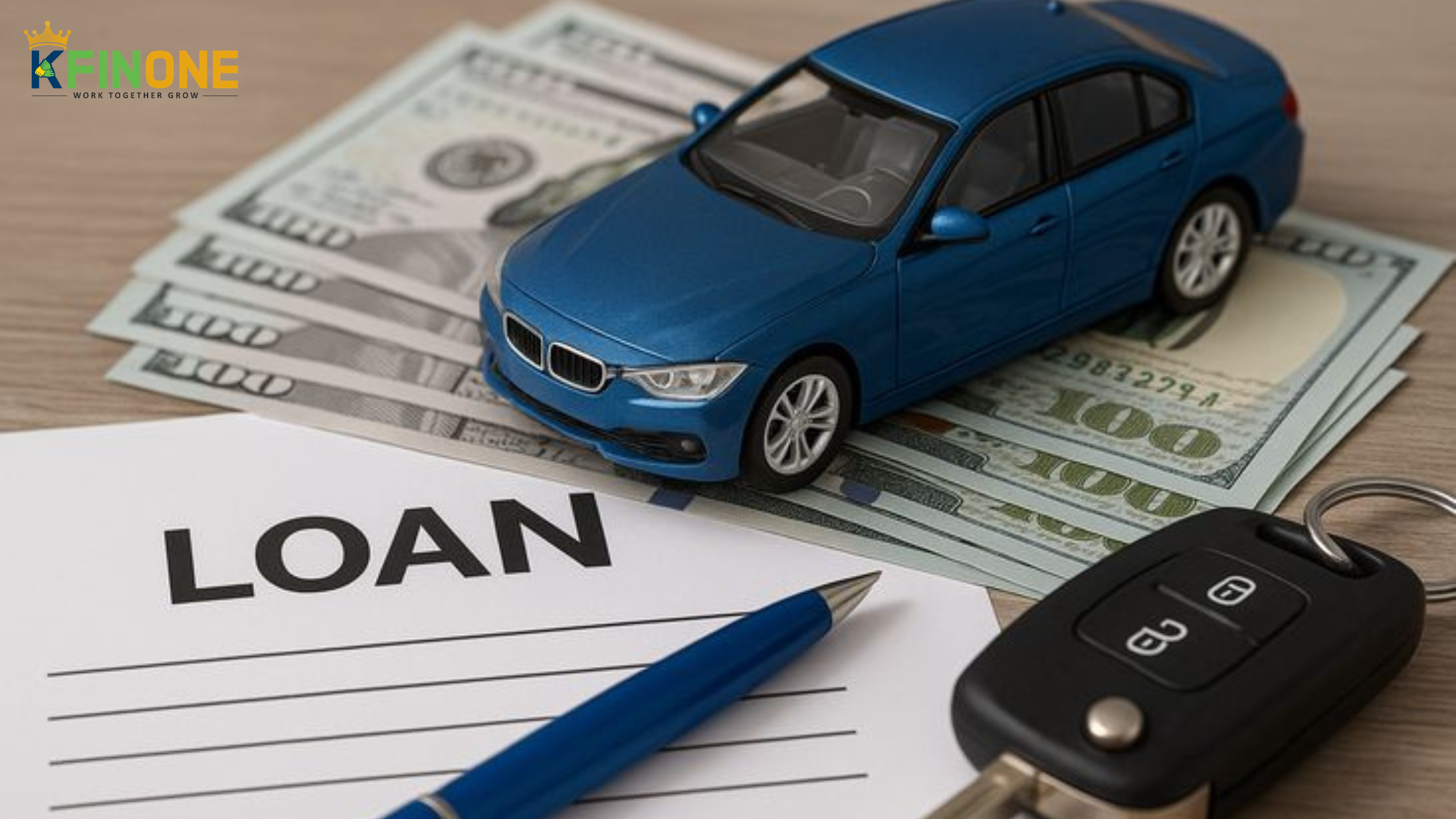
Buying a car is exciting, but choosing the right loan tenure can make a huge difference in how much you actually pay over time. Many buyers focus only on the monthly EMI, but the real question is:
Are you saving money in the long run?
Let’s compare short-term and long-term car loans to help you make the smartest financial decision.
A car loan tenure is the period you take to repay your loan. Typically:
Both options have advantages and disadvantages depending on your income, budget, and financial goals.
A short-term car loan means you repay the loan faster with higher monthly EMIs.
✔ Lower total interest payment
✔ Faster loan closure
✔ Quicker ownership of the vehicle
✔ Better financial freedom after repayment
✘ Higher monthly EMI burden
✘ Less flexibility in monthly budgeting
A long-term car loan spreads the repayment over several years, reducing your monthly EMI amount.
✔ Lower monthly EMIs
✔ Easier on monthly cash flow
✔ Better affordability for expensive vehicles
✔ Helps maintain emergency savings
✘ Higher total interest paid
✘ Loan stays active for many years
✘ Car depreciation may exceed loan value over time
If your main goal is to save maximum money overall, a short-term car loan usually wins.
Here’s why:
Suppose you take a ₹10 lakh car loan at 9% interest.
| Loan Tenure | Approx EMI | Total Interest Paid |
|---|---|---|
| 3 Years | Higher EMI | Much Lower Interest |
| 7 Years | Lower EMI | Significantly Higher Interest |
With a long-term loan, you may pay lakhs more in interest even though the EMI feels affordable.
Choose a short-term loan if:
A long-term loan may be better if:
Even a small difference in interest rate can save thousands.
Choose an EMI that does not strain your monthly finances.
A higher down payment reduces both EMI and total interest.
Some lenders allow early closure with minimal charges.
Better credit scores help you secure lower interest rates.
A short-term car loan saves more money overall because you pay less interest and close the debt faster. However, a long-term loan provides lower EMIs and better monthly affordability.
The best option depends on your financial situation, income stability, and repayment comfort.
Before choosing, calculate:
A balanced decision today can help you enjoy your car without financial stress tomorrow.


Get the latest financial insights delivered to your inbox.