Education Loan or Saving for Your Child’s Education: Which Financial Choice Makes More Sense?
May 29, 2026
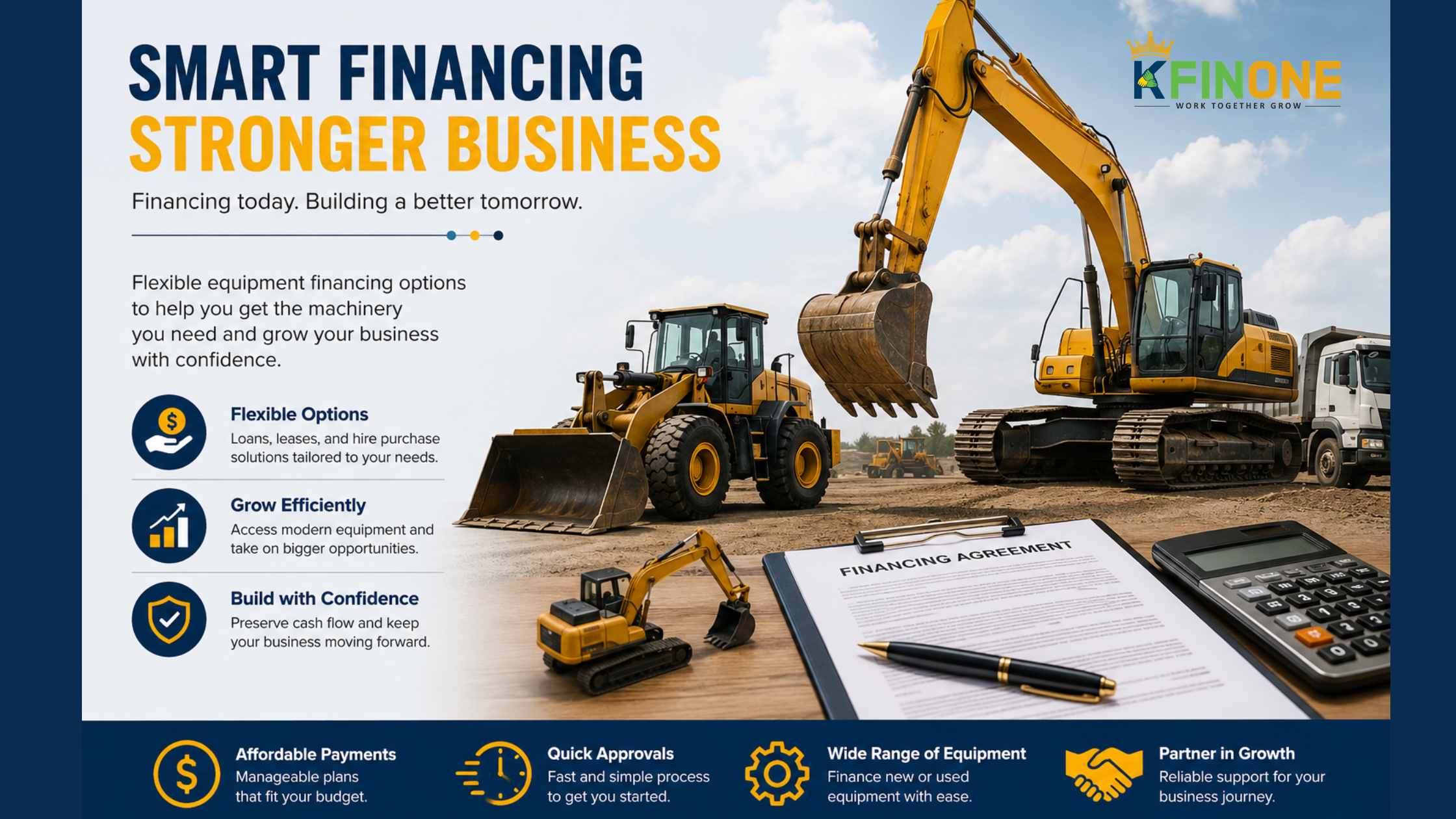
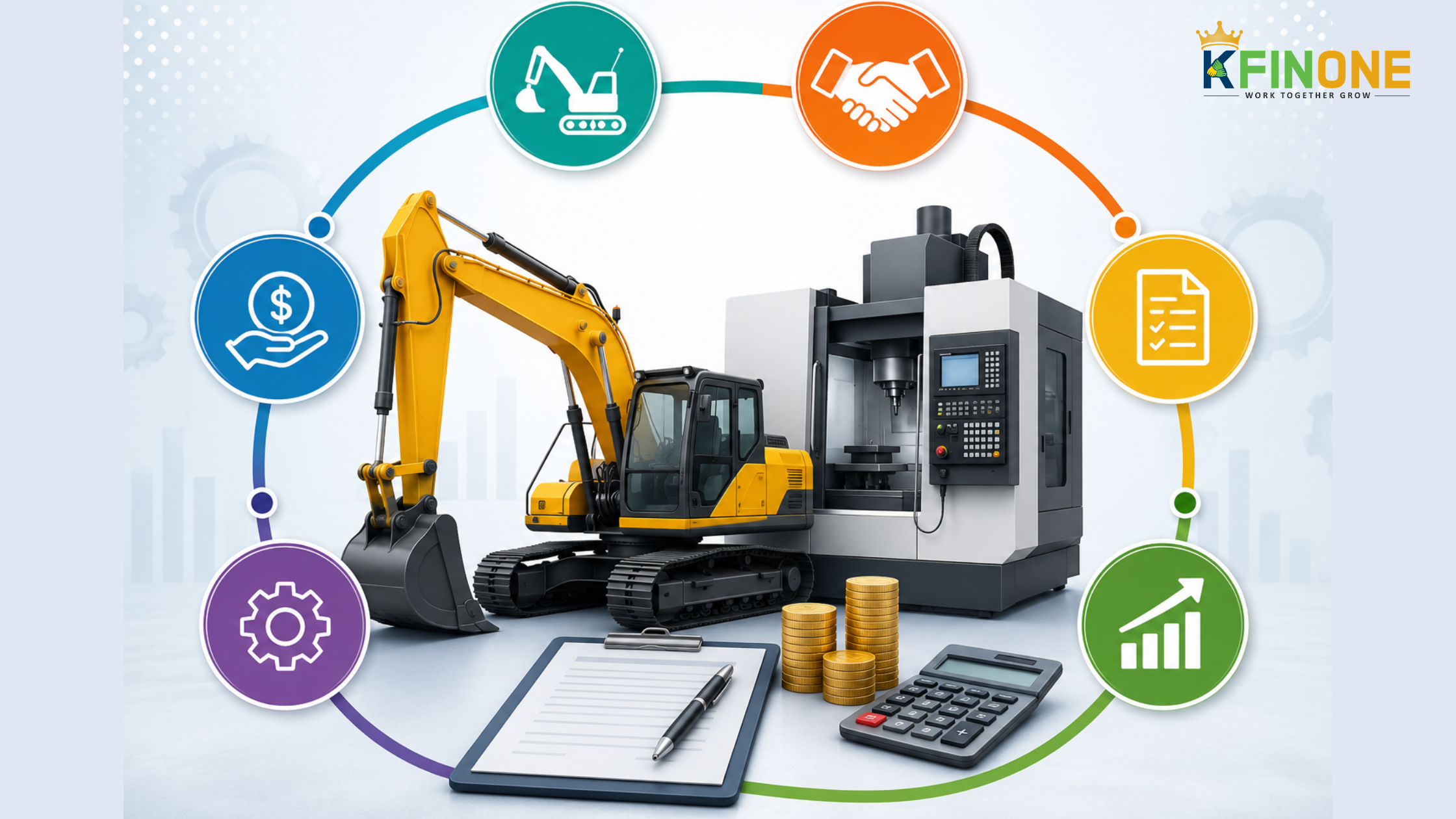
Heavy equipment plays a major role in industries such as construction, agriculture, transportation, mining, and manufacturing. From excavators and bulldozers to cranes and loaders, these machines help businesses improve productivity and complete projects efficiently. However, purchasing heavy machinery often requires a large investment, which may not be affordable for every business. This is where heavy equipment financing becomes a practical solution.
Heavy machinery financing allows businesses to acquire essential equipment without paying the full amount upfront. Instead, companies can spread the cost over manageable monthly payments while continuing their operations smoothly. Understanding how this financing works can help business owners make smarter financial decisions and maintain healthy cash flow.
Heavy equipment financing is a financial arrangement that helps businesses purchase or lease expensive machinery through loans or leasing options. Instead of making a one-time payment, borrowers repay the amount gradually over a specific period.
This type of financing is commonly used for:
Financial institutions, banks, and specialized lenders usually provide these funding options based on the borrower’s credit profile, business performance, and equipment value.
An equipment loan helps businesses purchase machinery by borrowing funds from a lender. The equipment itself often acts as collateral for the loan. Once all payments are completed, ownership is transferred fully to the borrower.
Leasing allows businesses to use machinery for a fixed period without owning it immediately. At the end of the lease term, the company may renew the lease, return the equipment, or purchase it.
Under hire purchase agreements, businesses pay installments while using the equipment. Ownership is transferred after the final payment is completed.
Before approving financing, lenders usually evaluate several important factors.
Lenders review revenue, profitability, and business stability to determine repayment capability.
A strong credit history increases the chances of approval and may help secure lower interest rates.
Some lenders require an initial payment to reduce financing risk.
The value, age, and condition of the machinery can influence financing approval and loan terms.
Companies with industry experience and stable operations often receive better financing opportunities.
Businesses can avoid large upfront expenses and maintain working capital for daily operations.
Financing allows companies to acquire necessary machinery quickly and take on larger projects.
In many cases, businesses may qualify for tax deductions related to loan interest or lease payments, depending on local regulations.
Companies can use advanced equipment that improves efficiency and productivity.
Many lenders offer repayment schedules customized to seasonal or project-based income.
While financing offers several advantages, businesses should also understand potential drawbacks.
Careful financial planning can help businesses avoid these issues.
Review interest rates, repayment terms, processing fees, and approval timelines before making a decision.
Look beyond monthly payments and calculate the complete repayment amount, including interest and additional charges.
Choose financing based on how long the equipment will be used and how frequently it is required.
Read all conditions related to maintenance, ownership, penalties, and early repayment.
Updated financial statements and tax documents can improve approval chances.
Heavy equipment financing is widely used in several sectors, including:
Businesses in these industries rely on financing to maintain operational efficiency and remain competitive.
The financing industry is evolving with digital technology and changing business needs. Many lenders now offer faster online applications, digital approvals, and flexible financing solutions. Businesses are also showing increased interest in eco-friendly and fuel-efficient machinery, encouraging lenders to introduce green financing programs.
Additionally, data-driven financing assessments and AI-powered risk analysis are making approvals quicker and more accurate.
Conclusion
Heavy equipment financing provides businesses with an effective way to acquire costly machinery without affecting daily cash flow. Financing options such as equipment loans, leasing plans, and hire purchase agreements enable businesses to obtain advanced machinery while supporting smooth operational growth.
Before selecting a financing option, businesses should carefully compare lenders, review repayment terms, and assess long-term operational needs. A well-planned financing strategy can support growth, improve productivity, and strengthen overall business performance.



Get the latest financial insights delivered to your inbox.