Education Loan or Saving for Your Child’s Education: Which Financial Choice Makes More Sense?
May 29, 2026

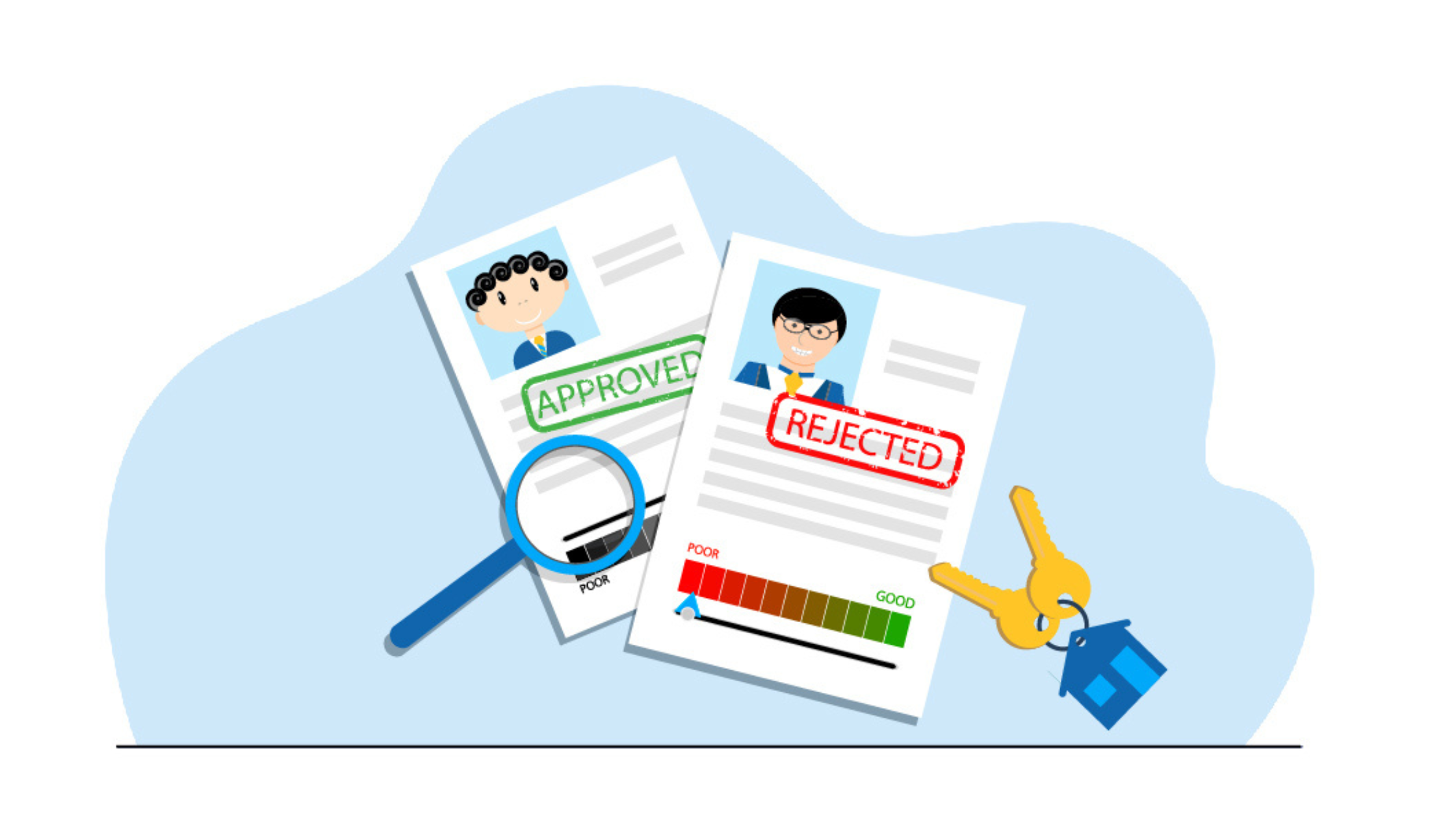
Buying a home is a major milestone, and for many individuals and families, a home loan makes that dream possible. However, getting approved for a home loan is not always guaranteed. Financial institutions carefully evaluate every application before approving financing, and many borrowers are surprised when their applications get rejected. Understanding the reasons behind loan rejection can help applicants better prepare and improve their chances of approval.
In this article, we will explore the most common reasons why home loan applications get declined and offer practical tips on how to avoid these issues.

One of the first things lenders review when evaluating a home loan application is the applicant’s credit score. A credit score reflects your financial behavior, including your repayment history, outstanding debts, and credit usage. A low credit score indicates a higher lending risk, making lenders hesitant to approve your application.
Late payments on previous loans, unpaid credit card bills, defaults, or loan settlements can negatively affect your credit report. Even if your income is strong, poor credit history may create doubts about your ability to manage repayment responsibly.
How to Avoid It:
Before applying for a home loan, check your credit score and review your credit report for any errors. Pay off outstanding debts, clear overdue bills, and maintain timely payments on all existing financial obligations. Avoid taking multiple loans or maxing out credit cards before applying for a mortgage.
Lenders need assurance that borrowers have the financial capacity to repay the loan over time. If your income is too low compared to the loan amount requested, or if your employment is unstable, your application may be denied.
Frequent job changes, a short employment history, irregular salary payments, or being newly self-employed can all raise concerns for lenders. Financial institutions prefer applicants with stable, consistent income sources and long-term employment records.
How to Avoid It:
Ensure you have stable employment before applying for a home loan. If possible, avoid switching jobs during the application process. Provide accurate income documents such as salary slips, tax returns, and bank statements to demonstrate financial consistency.
Even if your income appears sufficient, lenders will evaluate your debt-to-income ratio (DTI), which compares your monthly debt obligations against your monthly earnings. If a large portion of your income is already committed to paying existing loans, credit cards, or other liabilities, lenders may conclude that you cannot comfortably manage additional debt.
A high DTI ratio signals financial stress and increases the risk of missed repayments, which can result in home loan rejection.
How to Avoid It:
Reduce your outstanding debts before applying. Pay off smaller loans and avoid taking on new financial commitments. Aim to keep your debt obligations manageable so that lenders see you as financially responsible and capable of handling mortgage payments.

Documentation plays a critical role in the home loan approval process. Missing paperwork, inaccurate information, discrepancies in submitted records, or unverifiable documents can delay or derail your application.
Common issues include incorrect personal details, mismatched signatures, incomplete address proof, outdated income documents, or missing tax returns. Even minor mistakes can trigger concerns and create processing complications.
How to Avoid It:
Double-check all documents before submission. Ensure that your identity proof, address proof, income statements, bank records, and employment documents are accurate and updated. Work closely with your lender or financial advisor to verify all requirements before applying.

Sometimes, the issue is not with the borrower but with the property itself. Lenders carefully assess the legal and market status of the property being financed. If the property lacks proper approvals, has legal disputes, incomplete documentation, poor valuation, or construction violations, the lender may reject the loan request.
Financial institutions prefer properties with clear legal ownership, valid permits, and marketable resale value in case they need to recover the loan through resale.
How to Avoid It:
Before choosing a property, verify its legal status thoroughly. Ensure the property has approved building plans, clear ownership records, and all required municipal permissions. Conduct a title check and legal verification before finalizing the purchase.
Beyond the primary reasons above, several additional factors may impact approval:
To maximize your chances of home loan approval:
Securing a home loan requires more than just meeting basic eligibility criteria. Lenders assess multiple aspects of your financial health, employment stability, debt obligations, documentation, and even the property itself before making a decision. Understanding the reasons why home loan applications get rejected allows you to proactively address potential issues and improve your chances of approval.
By maintaining a strong financial profile, staying organized with documentation, and carefully selecting the right property, you can confidently navigate the home loan process and move one step closer to owning your dream home.



Get the latest financial insights delivered to your inbox.